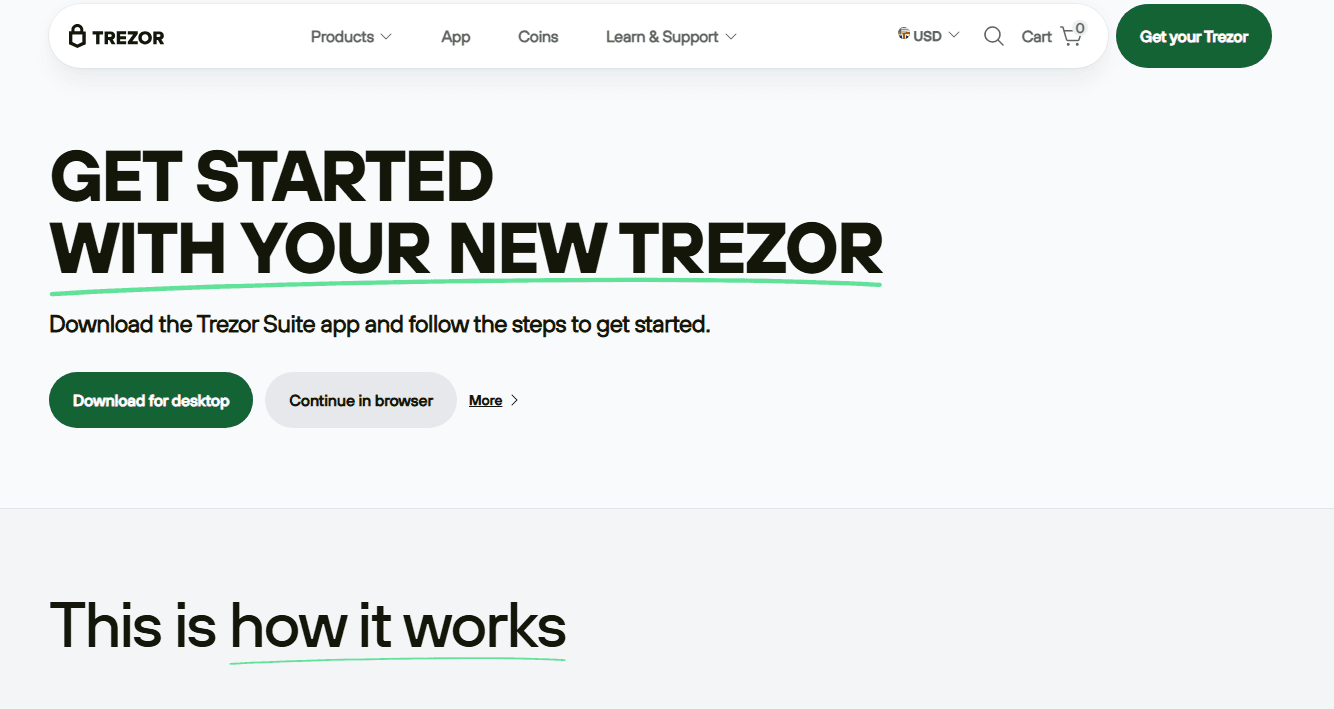
Trezor.io/Start: The Ultimate Guide to Setting Up Your Trezor Hardware Wallet
Trezor hardware wallets provide one of the most secure ways to store and manage cryptocurrencies. They offer offline storage of private keys, ensuring that your digital assets remain safe from online threats. The official starting point for setting up your Trezor device is Trezor.io/start, which provides step-by-step instructions for initializing the device, creating a recovery seed, installing Trezor Suite, and managing accounts.
A properly configured Trezor wallet protects your funds, allows you to perform secure transactions, and provides peace of mind knowing that your cryptocurrency is safe. This guide explores the Trezor.io/start process in detail, from unboxing to advanced security practices.
Why Trezor.io/Start Matters
Trezor.io/start is essential because it ensures your wallet is set up correctly and securely. Following the official setup process protects your assets in several ways:
Offline Private Key Security: Keeps your keys off the internet to prevent hacking.
Device Verification: Confirms your Trezor device is authentic and untampered.
Recovery Seed Setup: Guides you in generating and safely storing your recovery phrase.
Error Minimization: Reduces mistakes that could compromise your wallet.
By following the official guide, users can start managing cryptocurrency safely from the very beginning.
Preparing for Trezor Wallet Setup
Before starting the setup process, ensure you have the following:
Trezor Hardware Wallet: Choose between Trezor One or Trezor Model T.
Computer or Mobile Device: Compatible with the Trezor connection via USB.
Trezor Suite Software: Downloaded and ready for installation.
Secure Environment: A private and malware-free space to ensure safe setup.
Being fully prepared ensures a smooth setup experience and reduces the risk of errors.
Step 1: Unboxing Your Trezor Wallet
The first step is unboxing your Trezor device. Standard contents include:
The Trezor hardware wallet
USB cable for connection
Recovery seed cards for writing down your backup phrase
Instruction manuals
Carefully examine the packaging and device. Only proceed if the device is intact and authentic, as this ensures it has not been tampered with.
Step 2: Initializing the Trezor Device
After unboxing, initialize your device using the following steps:
Power On: Connect the wallet via USB to your computer.
Select Language: Choose the preferred language on the device screen.
Set a PIN Code: Create a secure PIN to protect access to your wallet.
The PIN acts as the first layer of defense, making it essential to choose a code that is strong but memorable.
Step 3: Creating the Recovery Seed
The recovery seed is the cornerstone of Trezor wallet security:
Generate the Seed: The device will display a 12- or 24-word recovery phrase.
Record It: Write down the words on the provided recovery cards. Do not store it digitally.
Store Securely: Keep the seed in a safe offline location to prevent unauthorized access.
This recovery phrase allows you to restore your wallet in case it is lost, stolen, or damaged. Never share it with anyone.
Step 4: Installing Trezor Suite
Trezor Suite is the software used to manage your cryptocurrency accounts:
Download Trezor Suite: Ensure you use the official source.
Install the Software: Follow instructions for your computer or mobile device.
Launch Trezor Suite: Open the application and connect your device following the prompts.
Trezor Suite allows you to add accounts, monitor balances, send and receive cryptocurrency, and manage multiple assets securely.
Step 5: Connecting Your Trezor Device to Trezor Suite
Once Trezor Suite is installed:
Connect Device: Use USB to connect the wallet.
Enter PIN: Unlock the device using the PIN set during initialization.
Verify Device Authenticity: Trezor Suite confirms that the device is genuine and ready to use.
This step ensures a secure connection between your hardware wallet and the management software.
Step 6: Adding Cryptocurrency Accounts
Trezor.io/start guides users to add cryptocurrency accounts in Trezor Suite:
Select Currencies: Choose the cryptocurrencies you want to manage.
Create Accounts: Follow prompts to add accounts for each currency.
Verify Addresses: Confirm the account addresses on your device to prevent malware interference.
This process allows you to manage multiple cryptocurrencies securely in a single interface.
Step 7: Sending and Receiving Cryptocurrency
After adding accounts, Trezor Suite allows secure transactions:
Receiving Funds: Generate a receiving address in Trezor Suite and verify it on the device to ensure authenticity.
Sending Funds: Input the recipient’s address and the amount, then confirm the transaction on your Trezor device.
The two-step verification ensures that all transactions are authorized and secure.
Security Best Practices
Trezor.io/start emphasizes the following security measures:
Keep Recovery Seed Offline: Never store it digitally or share it with anyone.
Verify Device Authenticity: Always use a genuine Trezor device.
Use Secure Networks: Avoid public Wi-Fi during setup or transactions.
Update Firmware and Software Regularly: Keep Trezor Suite and the device firmware up to date.
Secure Physical Storage: Keep both the hardware wallet and recovery seed in safe locations.
Following these best practices ensures the long-term protection of your cryptocurrency assets.
Updating Firmware and Trezor Suite
Keeping your Trezor wallet and Suite software updated is critical:
Firmware Updates: Improve security, add new features, and fix potential vulnerabilities.
Trezor Suite Updates: Enhance usability and support additional cryptocurrencies.
Verify Updates on Device: Always confirm updates directly on your Trezor device to ensure authenticity.
Regular updates help prevent security breaches and maintain smooth operation.
Troubleshooting Common Issues
Even with careful setup, some users may encounter issues:
Device Not Recognized: Check the USB connection, try a different port, or restart Trezor Suite.
PIN Entry Errors: Ensure the correct PIN is entered; repeated failures may require wallet recovery using the recovery seed.
Software Glitches: Restart or reinstall Trezor Suite if problems persist.
Being aware of potential issues ensures uninterrupted access to your wallet.
Advantages of Using Trezor.io/Start
Following Trezor.io/start provides numerous benefits:
Secure Initialization: Ensures your wallet is set up safely and correctly.
Recovery Seed Guidance: Helps generate and securely store your recovery phrase.
Step-by-Step Instructions: Reduces errors and simplifies setup for beginners.
Device Verification: Confirms authenticity of your Trezor wallet.
Long-Term Security: Establishes a solid foundation for managing cryptocurrency safely.
These benefits make Trezor.io/start an essential starting point for anyone seeking secure digital asset management.
Conclusion
Trezor.io/start is the official starting point for setting up a Trezor hardware wallet. Following its step-by-step instructions ensures that your wallet is initialized correctly, your recovery seed is secure, Trezor Suite is installed, and cryptocurrency accounts are safely managed.
By following security best practices—including offline storage of recovery phrases, verifying device authenticity, using secure networks, and keeping firmware and software updated—you can manage your cryptocurrency assets with confidence. Trezor.io/start provides a complete framework for secure, efficient, and reliable cryptocurrency management.